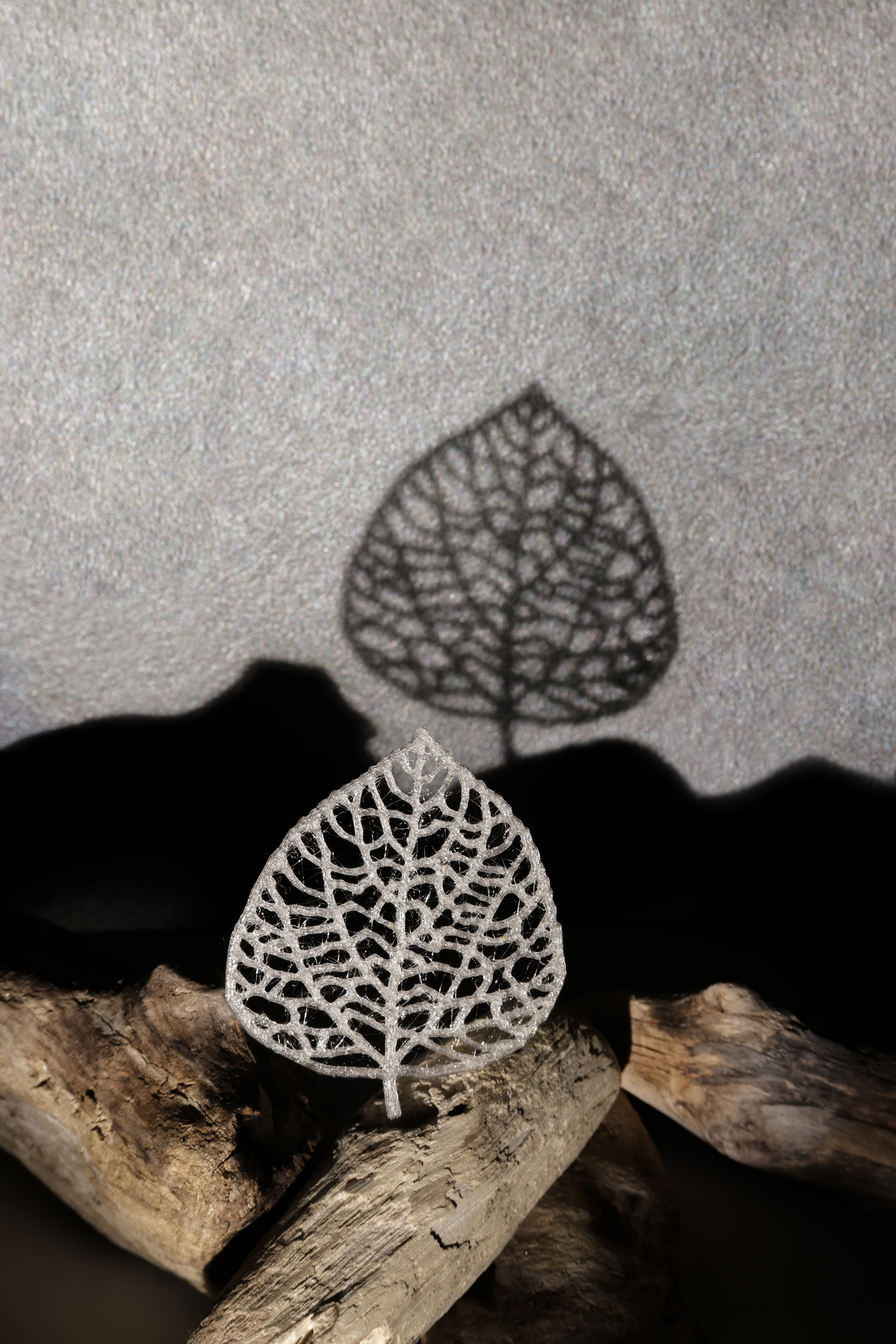
EPFL scientists have developed a new, PET-like plastic that is easily made from the non-edible parts of plants. The plastic is tough, heat-resistant, and a good barrier to gases like oxygen, making it a promising candidate for food packaging. Due to its structure, the new plastic can also be chemically recycled and degrade back to harmless sugars in the environment. Scientists led by Professor Jeremy Luterbacher at EPFL’s School of Basic Sciences have successfully developed a biomass-derived plastic, simila
Media properties
- Themes
- Research and Tech Transfer , SB, Sustainable development, Environment, Research and Tech Transfer
- Copyright
- EPFL - Alain Herzog
- Licence
- CC0 Licence
- Shooting date
- June 27, 2022
- Album
- New PET-like plastic made directly from waste biomass
Share on